Designing for Wellness in Modern Luxury Homes
How high-performance design is reshaping residential construction
04/03/2026
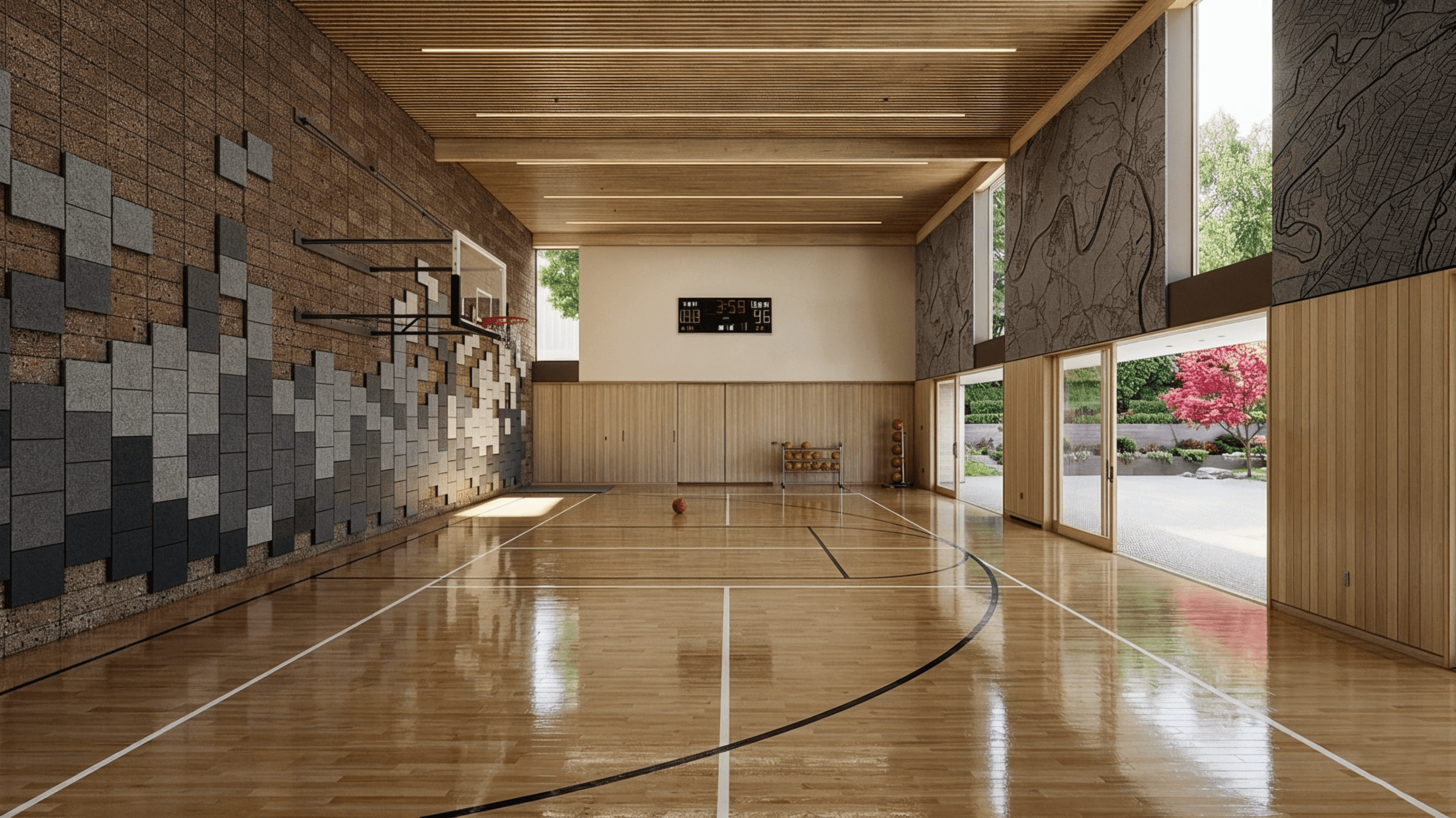
Wellness is no longer an amenity—it is a primary design driver in today’s most refined residences. At the highest level of residential architecture, the conversation has shifted from isolated “health features” to fully integrated, performance-driven environments that support longevity, recovery, and daily rituals.
This evolution is giving rise to a new category of homes: wellness-oriented luxury residences, where architecture, interiors, and systems work in parallel to optimize how the home feels, functions, and performs.
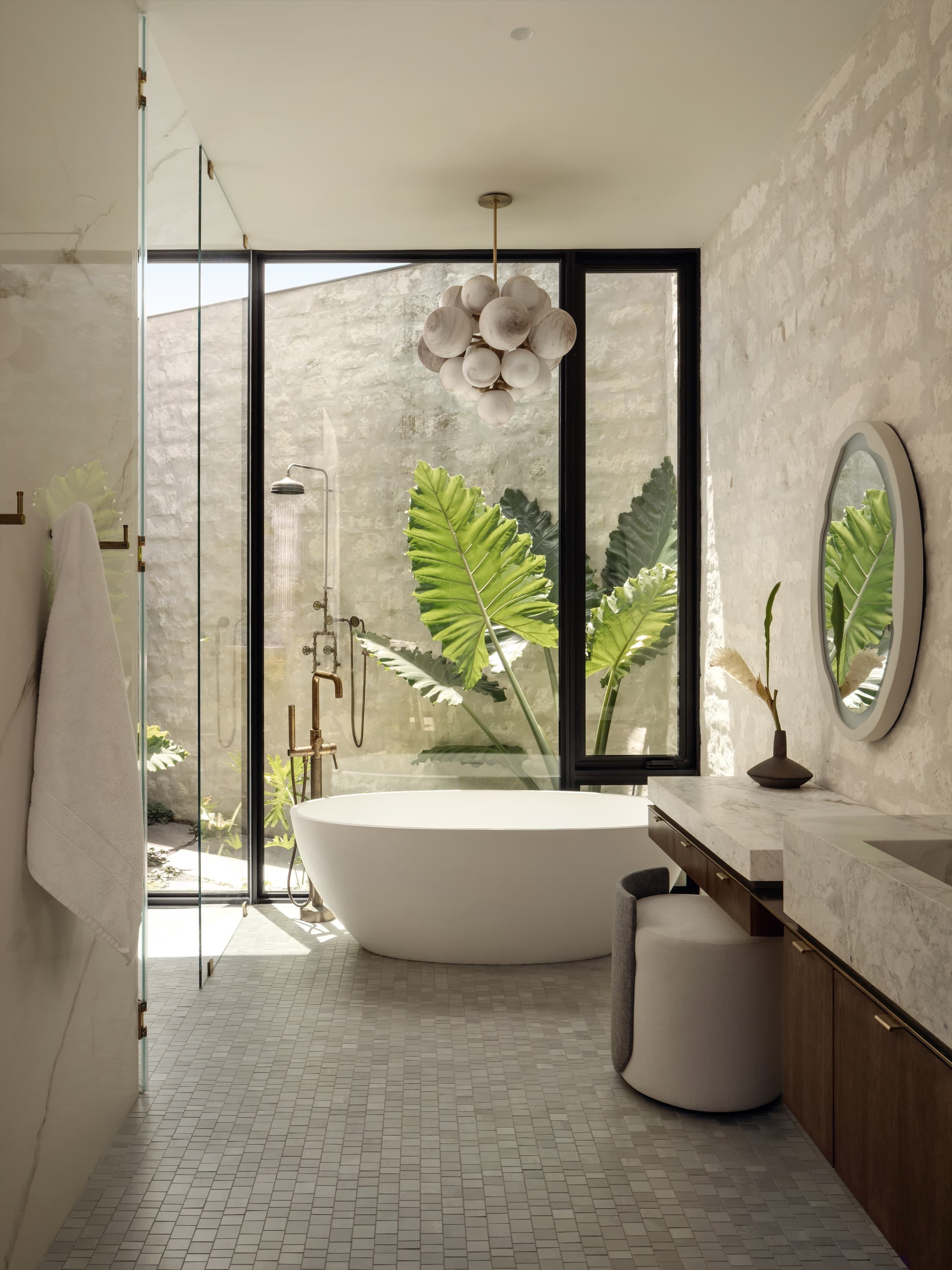
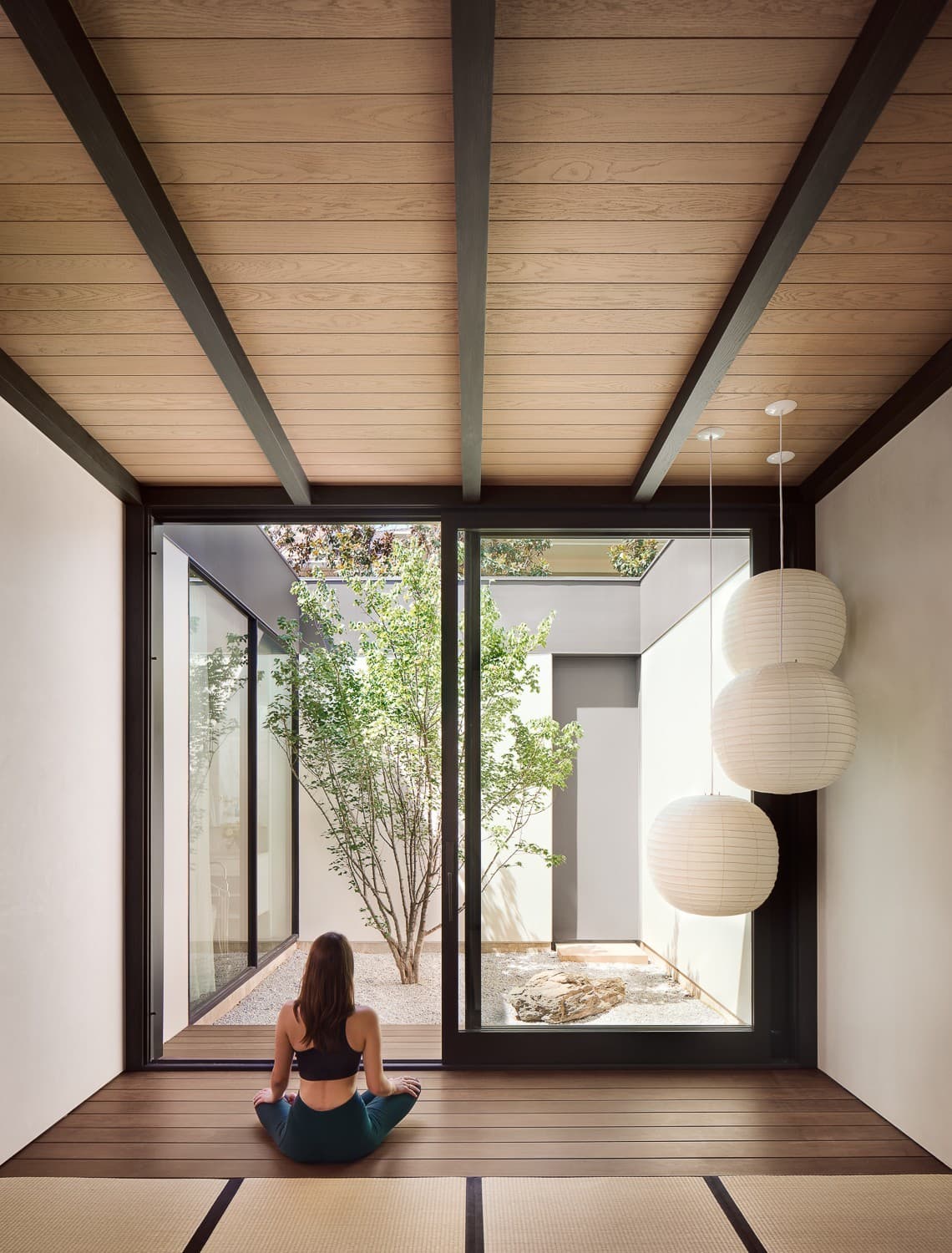
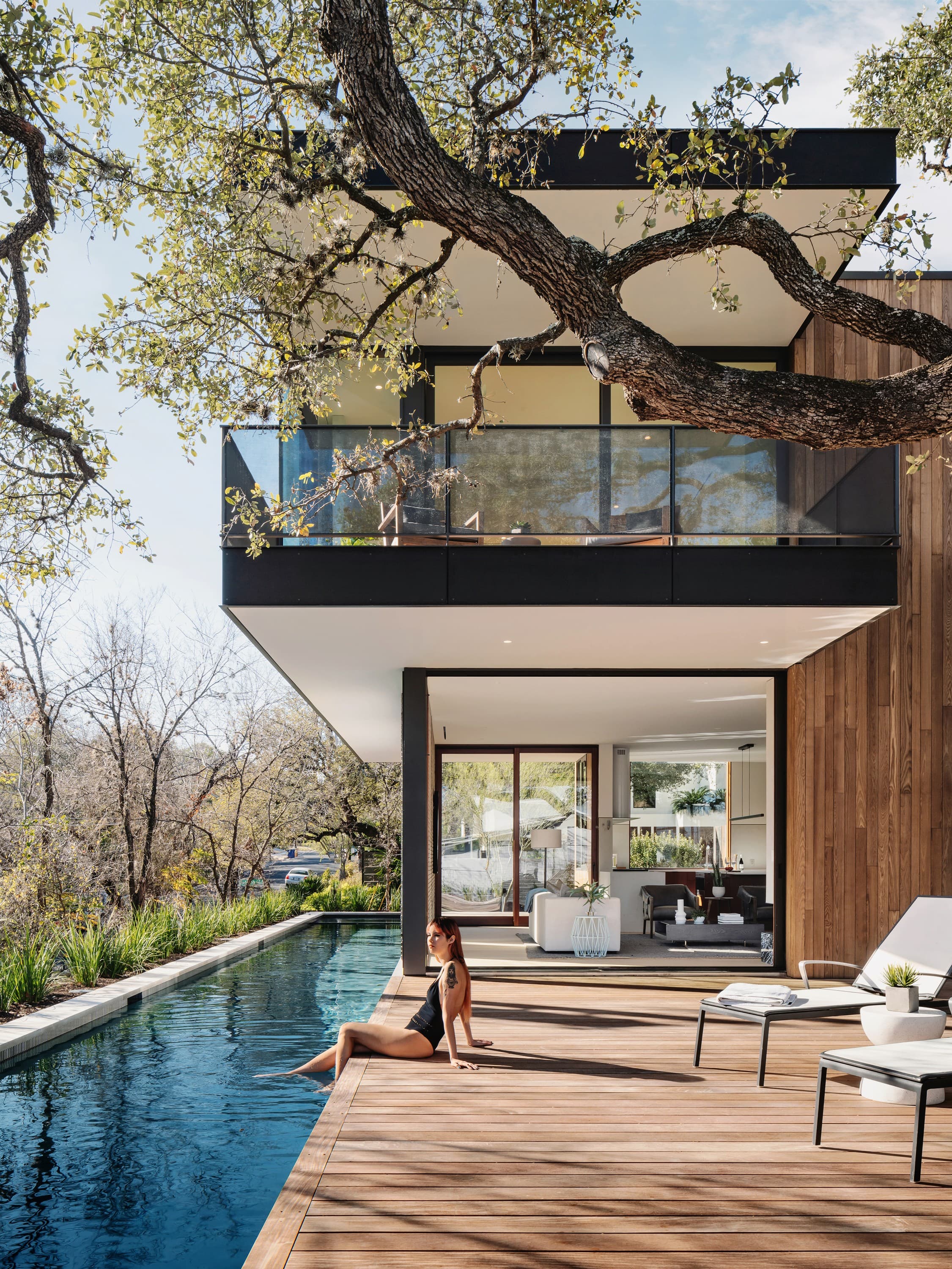
These spaces are not simply added on; they are choreographed. Adjacencies, circulation, and transitions between hot and cold environments are designed with intention, often extending to outdoor terraces or private courtyards to reinforce a connection to nature.
This reflects a broader emphasis on biophilic residential design, where access to daylight, natural materials, and landscape integration plays a measurable role in occupant well-being. Large-format glazing, operable wall systems, and carefully framed views dissolve the boundary between interior and exterior, while materials such as wood, stone, and mineral-based finishes create a grounded, tactile experience.
Behind the scenes, high-performance home systems are quietly doing the heavy lifting. Advanced air filtration, humidity control, and fresh air exchange systems are becoming standard in luxury construction, improving indoor air quality and supporting respiratory health—particularly important in tightly sealed modern homes. When paired with low-toxicity material selections and thoughtful detailing, the result is an environment that breathes.
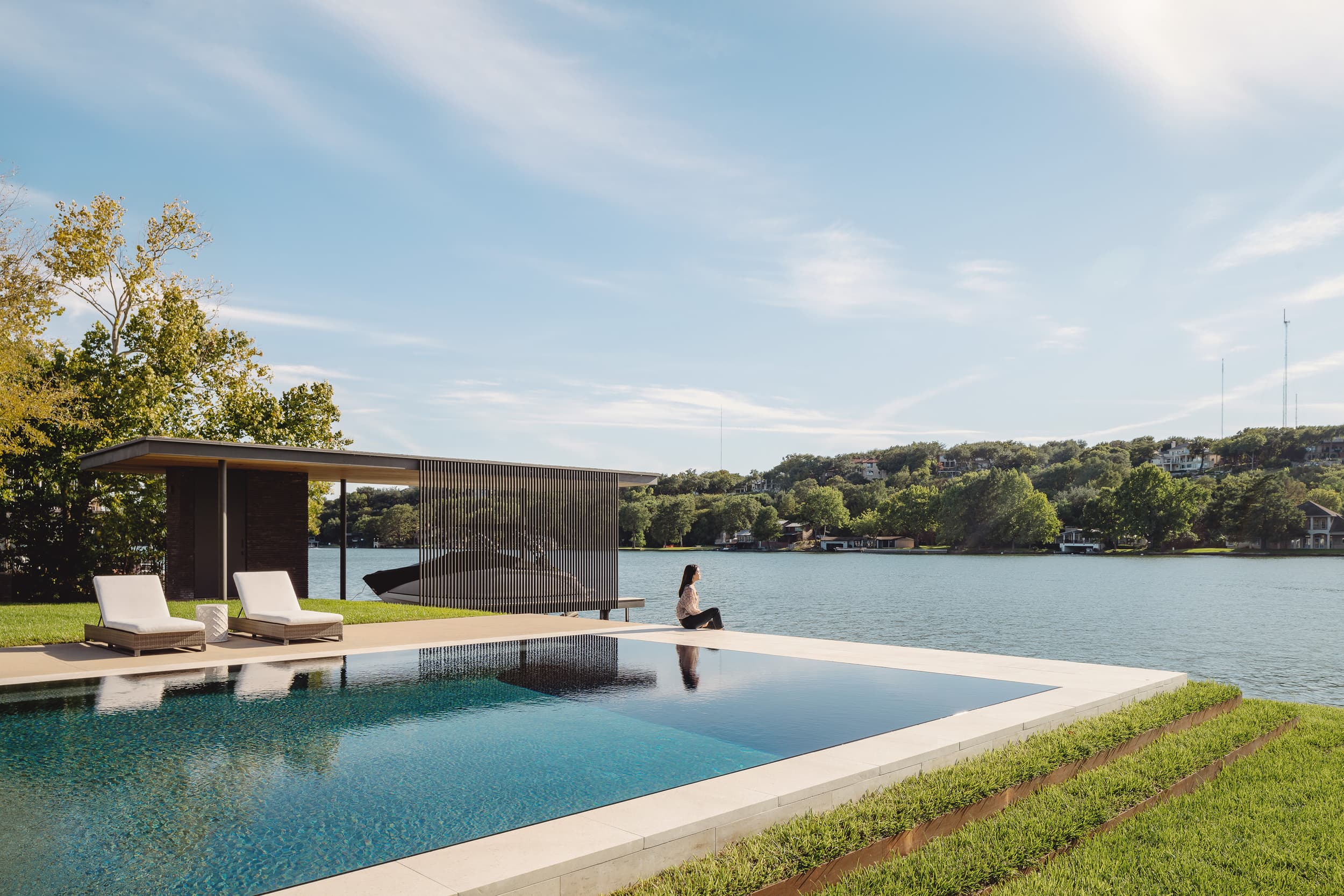
Recreational amenities are being considered through a wellness lens. Private pickleball courts and on-site tennis courts are increasingly integrated as part of a broader lifestyle strategy that can accommodate people of all ages—encouraging movement, social engagement, and time outdoors while reinforcing the estate-like quality of the property.
Ultimately, the most successful wellness-focused homes are not defined by any single feature, but by a holistic approach. Every element—from spatial planning to mechanical systems—is aligned around a singular goal: creating a home that actively supports the health, performance, and well-being of those who live there.
In this context, luxury is no longer just visual. It is experiential, measurable, and deeply personal.
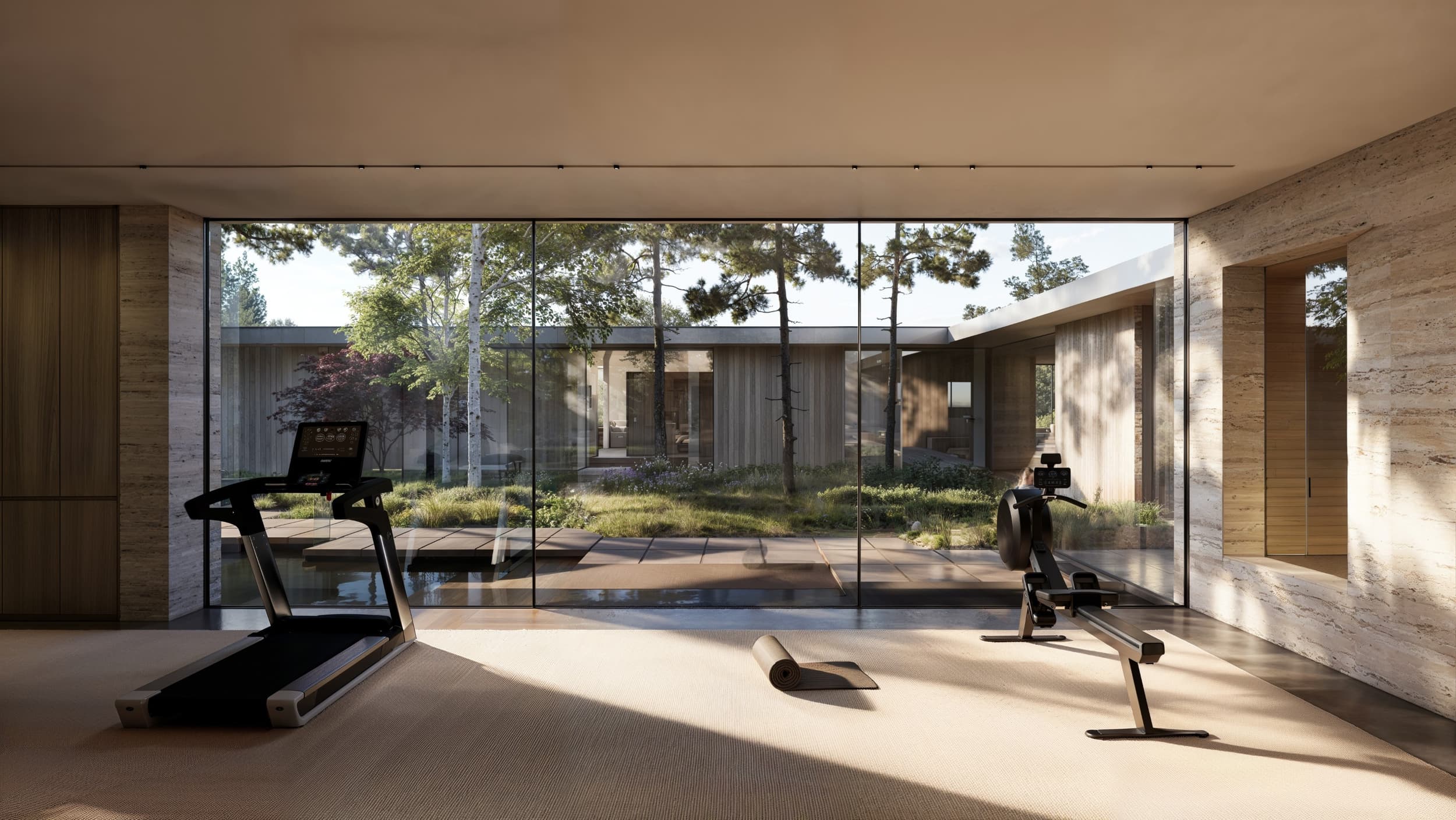
A defining component is the private, architect-designed home gym—far beyond a spare room with equipment. Today’s luxury fitness spaces are purpose-built environments with specialized flooring systems, acoustic separation, integrated ventilation, and calibrated natural light. Increasingly, these spaces incorporate advanced recovery technologies, including in-home hyperbaric oxygen chambers, allowing for enhanced athletic recovery, cognitive performance, and overall cellular regeneration within a controlled, private setting. These environments are often paired with indoor basketball courts or fully climate-controlled sport courts, enabling year-round training independent of external conditions.
Equally important is the rise of residential spa environments, designed with the same level of precision as boutique hospitality projects. Primary bathrooms are evolving into spa-style wellness suites, incorporating steam showers, infrared or traditional saunas, and carefully detailed material palettes that promote calm and sensory clarity. Increasingly, clients are requesting contrast therapy circuits—a sequence of sauna, steam, and cold plunge pool—bringing the performance benefits of elite training facilities into the home.